
Men and women are significantly different in terms of gender traits, behavioral patterns, and balance in life development based on a combination of biology, evolution and culture. Scientific research provides the trend in thinking, feelings, and social interactions, providing information on self-development and self-help in relationships without stereotyping individuals.
Biological Foundations of Gender Differences
A great deal of difference is motivated by hormonal profiles. In men, testosterone enhances spatial reasoning and risk-taking, which helped in hunting activities in the ancient world. The estrogen of women improves verbal fluency and empathy which helps in nurturing roles. Amygdalae of men are generally larger to detect threats, whereas women are found to have more dense prefrontal connections to regulate emotions.
These traits are dependent on sex chromosomes. The XX pair of females is redundant to mutations, which may increase immune responses but increase autoimmune risks. The XY arrangement of males is associated with increased averages of physical strength, approximately half higher upper-body power. Such underpinnings have remained cross-cultural, which highlights biology as superior to pure socialization.
Behavioral Patterns in Daily Life
Men are inclined to sort out behaviors, and they are good at mechanical work, such as engineering or navigation. Women are more inclined to empathizing, they are social coordinators and caregivers. Meta-analyses prove that men have higher scores on mental rotation tests (0.5-1 standard deviation) and women are more successful in recognizing emotions on faces.
The assessment of risk is different. Men are seeking high-variance rewards which can be observed in the gambling studies where they place bigger bets. Females are more loss averse and they are more concerned about stability. The expression of aggression in men and women respectively is direct competition and relational strategy such as social exclusion strategies.
These are reflected in styles of communication. The speech of men is terse and fact-based; the speech of women is more full of qualifiers and phrases that demonstrate rapport. Men dominate in negotiations, women seek consensus, which has an effect on careers in male dominated jobs.
Achieving Balance Amid Differences
Due to priorities, work-life balance is gender-based. Females tend to be more overworked, spending 2-10 additional hours per week on family according to international polls. Men concentrate on roles of providers, with greater stress being caused by financial pressures. The complementary advantages of dual-income families include the decisiveness of the men and the relational ability of the women.
Emotional balance demonstrates women to have moods more acutely and recover more quickly through social support. Men repress emotions, which puts them at risk of being isolated, but are good at stoic endurance when isolated. Gender-specific mindfulness exercises, such as yoga for women, weight training for men, maximize the balance.
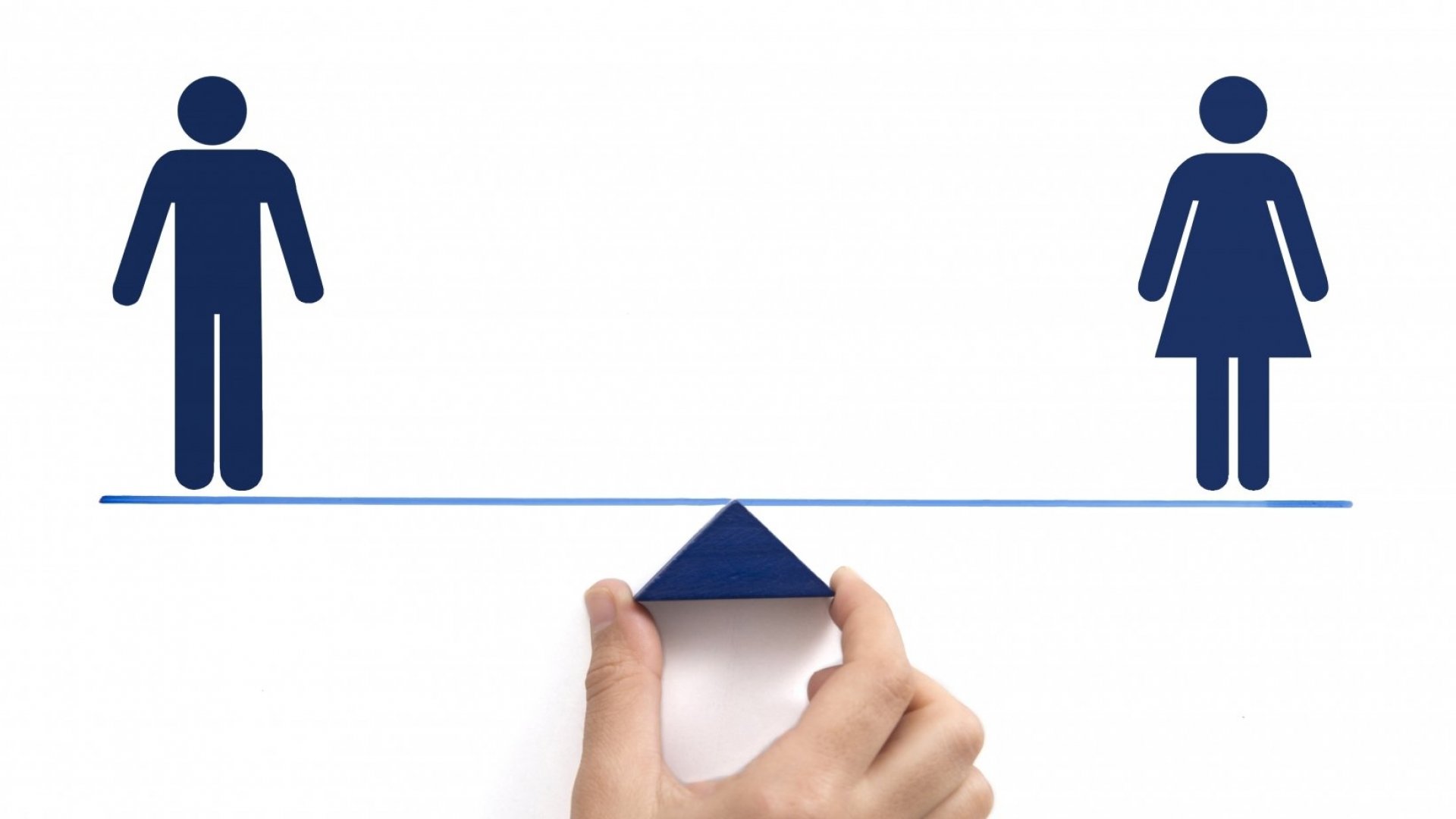
Synergy is emphasized in parenting. Fathers play rough and tumble games and build physical confidence; mothers focus on language and empathy. Both styles are equally effective in eliminating behavior problems in kids, and by 20-30% in longitudinal studies.
Societal Impacts and Future Harmony
Leadership is affected by gender differences. Men are on the competitive scene such as finance; women are on the top of education and healthcare. The combination of analytical and intuitive methods in knowledge, diverse teams are 15 percent more effective than homogeneous teams in innovation measures.
Changes in culture enhance consciousness. In 2026, the policy of workplaces embraces these dynamics, such as paternity leave enhancing male bonding. Differences can be used to our advantage to improve our healthier relationships, not eliminated with the help of education programs.
The knowledge of these patterns leads to mutual respect. Emotional openness is a gain to men; assertive risk-taking to women. Balanced behaviors close loopholes, leading to personal fulfillment and development of the society.